
New Report Calls For “Game-Changing” Farmer Co-peration
Press release from Co-operatives UK:
Farmer co-operation in the UK: Opportunities for the industry
includes insights into UK farmers’ current views on co-operation – and highlights the potential benefits of greater collaboration. The report found that:
- Economic advantage is usually the main reason for joining a co-op, but farmers often gain other benefits, such as saving time and being part of a community.
- The benefits that co-ops can bring are particularly relevant in addressing the challenges and opportunities presented by Brexit. Co-ops:
- Increase economic resilience in the face of volatility, uncertainty and the risk of recession.
- Consolidate bargaining power, in line with their members’ interests, in a tough trading environment.
- Provide social capital that farmers will need in adapting to change.
- Offer established platforms for farmers to collaborate in providing and being paid for environmental public goods.
The findings also highlighted scepticism amongst some farmers towards the co-operative model:
- Farmers often cite maintaining independence as a reason for not co-operating – but if independence is about achieving personal objectives, co-operating can actually help.
- There is a perception amongst a significant number of farmers that co-operatives are rigid, inflexible and need to improve their leadership, governance and communication.
Recommendations to come out of the research are:
- Collaboration between co-operatives needs to be reinforced by government policies that support and facilitate farmer co-operation and collaboration.
- Initiatives are needed to support the development of the next generation of farmer co-operators and create the leaders who will change attitudes and perceptions.
- The report also suggests that Defra’s £10 million ‘collaboration fund’ – announced in 2018 to help farmers navigate the transition after Brexit – could be used to help farmers benefit from co-operation.
“This fund could pay for advice, development and innovation support for existing co-ops to help them transition from being run by farmer members to having professional staff. Strengthening governance should be a priority for advice and development.
“Advice could also extend to busting myths about co-ops, including clarifying their status in competition law for farming industry bodies and advisors,” said Professor Tom MacMillan, who led the research.
“It would be truly game-changing if farmer co-ops teamed up to lead and support a wider co-operative movement in farming – one that extends beyond their current members and into new areas like data sharing and farmer-led innovation.
“Some of the most exciting ways farmers now work together are happening in spite of co-ops, not because of them. Co-ops are big enough to help make these the norm, and would benefit from backing them.”
Richard Self, Agricultural Manager at Co-operatives UK said: “We welcome this report as it provides an accurate picture on the situation within the sector. It shows that there is a lot that needs to be done to help farmers to co-operate more successfully, but if we can do this then we will have a much more resilient and profitable farming community going forward.”
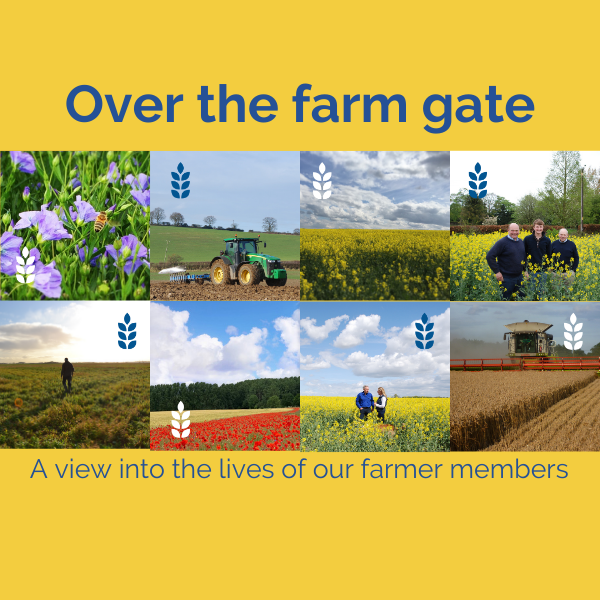
Over the Farm Gate, kindly provided by Henry Reynolds, Farmer Director
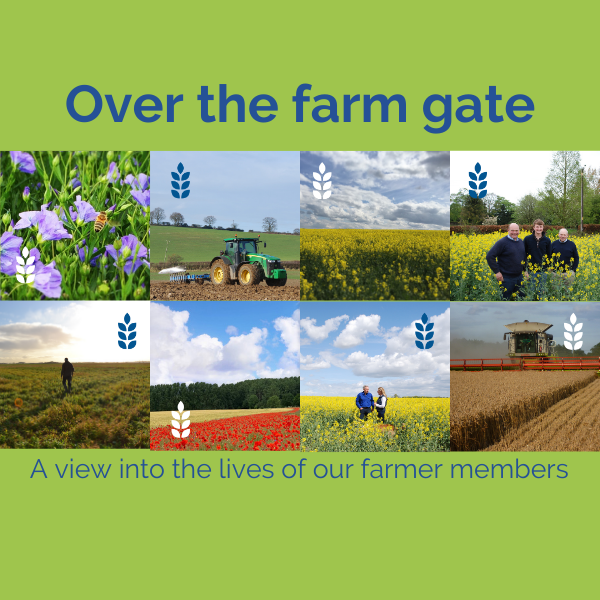
Over the Farm Gate, kindly provided by John Jefferies, Farmer Director
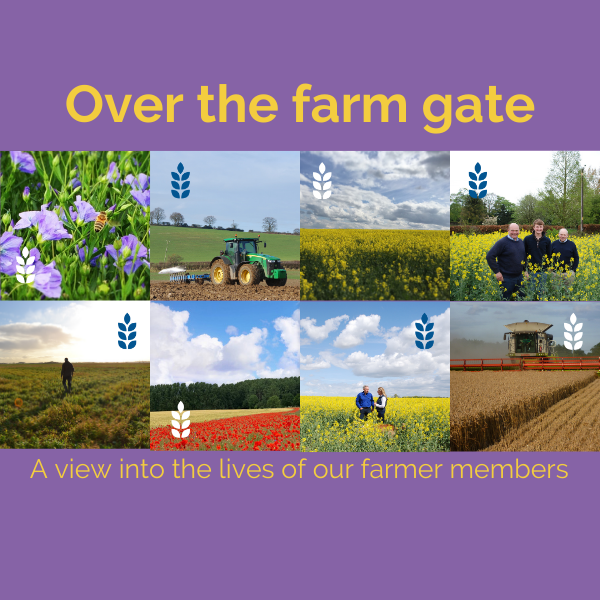
Over the Farm Gate, kindly provided by John Charlesworth, Farmer Director
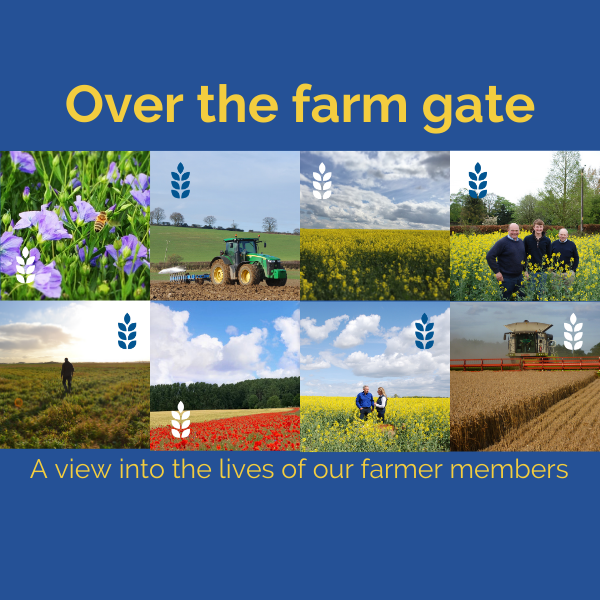
Over the Farm Gate, kindly provided by Adam Driver, Farmer Director
Over the Farm Gate, kindly provided by Henry Reynolds, Farmer Director
Over the Farm Gate, kindly provided by John Jeffries, Farmer Director
Over the Farm Gate , kindly provided by John Charlesworth, Farmer Director

Camgrain's AGM

Post-Harvest message from the Camgrain Chairman – Carl Driver

Marketing Report 2024-2025