Over the Farm Gate, kindly provided by John Jeffries, Farmer Director
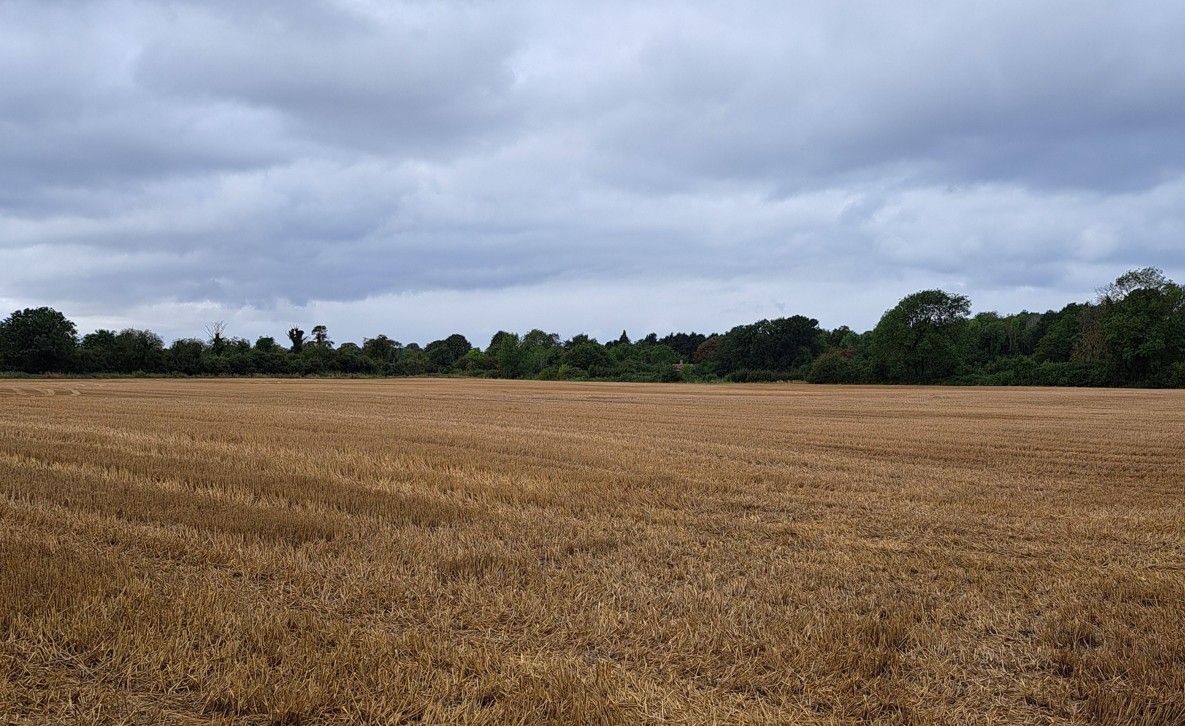
What a pleasure it is to once again be in front of my PC writing an article for the Weekly Camgrain Newsletter! I never really understand why the ‘Over the Farm Gate’ pieces stop in the summer/autumn as this is the season when the farmer has the most to write about and the most interesting pictures to share. All I have to share from my mobile at the moment are faint green lines of crops sitting in dull grey damp fields. Let’s hope that we directors can all find the 10 minutes it takes to write a few notes during the summer!
Going first in the new series of the ‘Farm Gate’ piece gives me the opportunity to report upon the autumn drilling season and development of the crops so far ahead of anyone else. The autumn drilling season was brilliant. After the summer heat, the land was very dry, and the autumn rains were gentle when they finally arrived (which took longer here in southwest Cambridgeshire than other parts of the country). The autumn monsoons that have affected us in many of the recent seasons, stayed away. This meant drilling proceeded in excellent conditions. I took the decision to hold back from drilling until mid-October. In fact, some neighbours had finished before I started. The reason for this was that September was still very dry and hot. This meant that the little black-grass had germinated and there was inadequate moisture to activate any pre-emergence herbicides that would need to be applied. These herbicides only last about 2 weeks in such hot conditions, then allowing the black-grass free reign when the rain comes and germination happens.
Here in southwest Cambridgeshire we avoided rain (not by choice) until mid-October. This meant that I had no opportunity to get black-grass to grow before drilling. However, as the temperatures were lower and adequate moisture was present, I have got excellent levels of control of black-grass from the herbicides, significantly better than the early drilled crops; but delaying drilling is a real test of patience, especially when you stand there watching 100s of acres being done daily in the local area.
Another reason for delaying the drilling of the crop is climate change. Our winters are getting shorter and softer. I wanted to avoid having an over developed ‘forward crop’ in the spring as experience shows me that these can be hacked back by the hard frosts that our dry springs seem to bring. I remember one awful experience. I had some early drilled wheat that was chin high at the end of March, when over 15cm of snow fell on it. I swore never to do that again as the crop turned to mush.
Elsewhere on the farm it is the normal round of routine work, with one exception. My combine will be fully serviced and ready for work by the end of the week, the drills are prepped and ready for spring drilling, the fertilizer spreader is primed and field ready. The exception of winter work is pigeon control on the Oilseed Rape. There are no pigeons feeding on the crop. This is such a relief, especially after last year. I am sure one of the reasons for this is that last autumn produced a massive crop of acorns, which the pigeons are still busy eating. I have also heard that the pigeon population may have been seriously hit from bird flu, either way, it is so good to see the Oilseed Rape growing so rapidly and strongly.
Another big win for me this autumn is the level of control I have achieved of brome grass. I had some significant patches of this (linked to the areas of Oilseed Rape that were badly pigeon affect last year). I was faced with a choice as the herbicide requires temperatures of 8°C to work. It was late November. I could either spray immediately and risk the herbicide not working if the temperature dropped or leave it until the spring when the chances of the higher temperatures were better (but the grass would be bigger and harder to kill). I took the chance, and the winter stayed mild for the fortnight or so that I needed. Then the frost came and finished off the job. The brome grass is now yellow and rotting. It is rewarding to see the green lines of wheat growing through the large yellow patches of dead grass. It was a gamble, but it paid off.
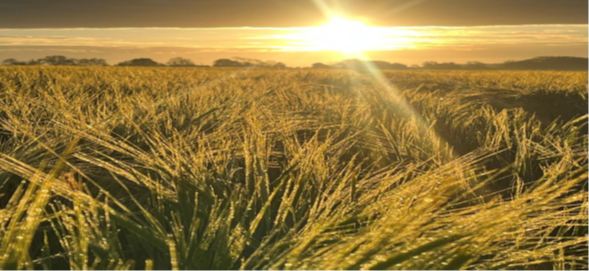
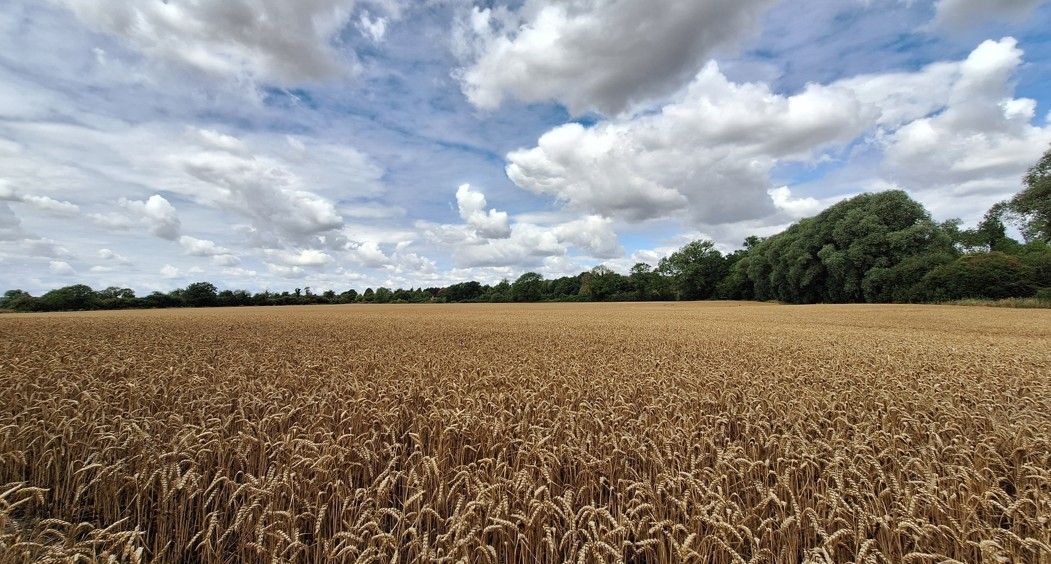
I have decided to share this lovely picture of a barley crop that I took in May 2024. Hopefully we will again see the sun soon!!!